

Table of Contents
ToggleThe Baikal Seal, also known as the Nerpa, is one of the most fascinating marine mammals on Earth. What makes this species truly remarkable is that it is the world’s only seal that lives exclusively in freshwater. Found in the pristine waters of Lake Baikal in Siberia, Russia, the Baikal Seal has adapted to an environment unlike any other seal species. Scientists, wildlife enthusiasts, and conservationists have long been intrigued by how this unique mammal evolved and thrived in one of the planet’s oldest and deepest lakes.
Lake Baikal itself is often referred to as the “Galapagos of Russia” because of its extraordinary biodiversity and high number of endemic species. Among these unique creatures, the Baikal Seal stands out as a symbol of the lake’s ecological richness. Its playful behavior, distinctive appearance, and incredible adaptations make it a subject of continuous scientific study and public fascination. Understanding the Baikal Seal not only provides insight into an extraordinary species but also helps raise awareness about the importance of preserving fragile freshwater ecosystems around the world.
What Is a Baikal Seal?
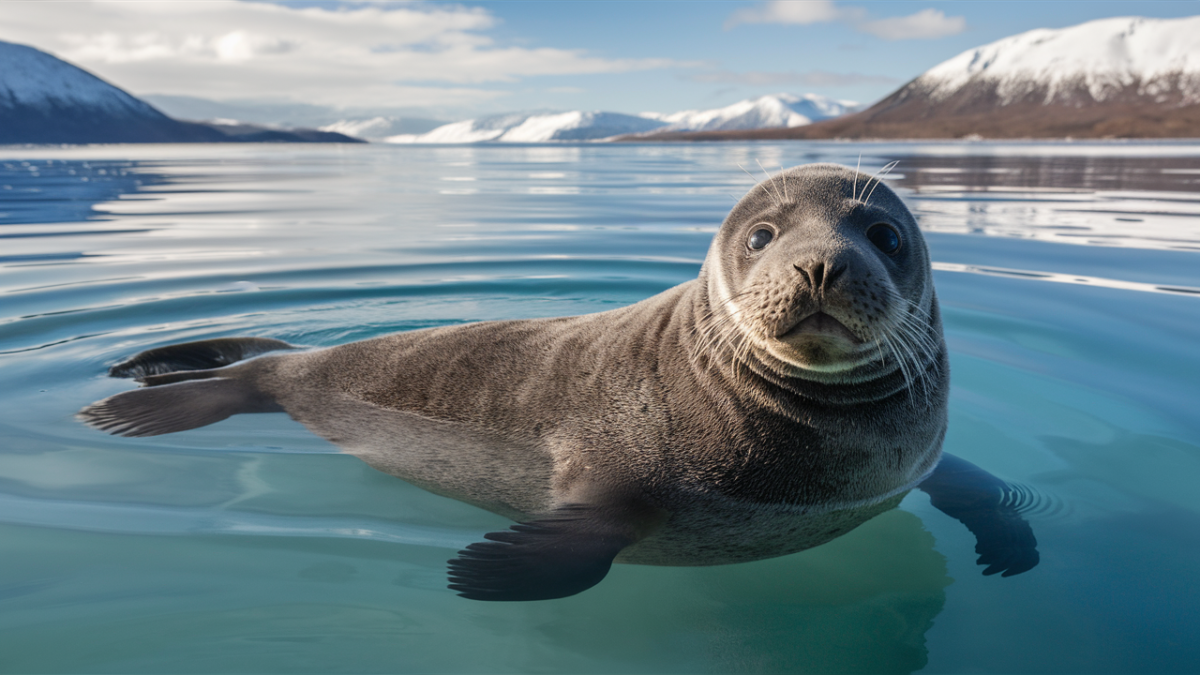
The Baikal Seal (Pusa sibirica) is a species of earless seal native exclusively to Lake Baikal. Unlike most seals that inhabit oceans and coastal regions, this species spends its entire life in freshwater. The Baikal Seal belongs to the family Phocidae, which includes true seals. Scientists believe the species has lived in Lake Baikal for hundreds of thousands, if not millions, of years, evolving in isolation from its marine relatives.
The Baikal Seal is medium-sized compared to other seal species. Adults typically weigh between 50 and 130 kilograms and can reach lengths of approximately 1.4 meters. Their bodies are streamlined for swimming, and they possess thick layers of blubber that provide insulation during the harsh Siberian winters. Their large, dark eyes and rounded faces give them an endearing appearance that attracts tourists and wildlife photographers from around the globe.
The Unique Habitat of Lake Baikal
Lake Baikal is the deepest freshwater lake in the world, reaching depths of more than 1,600 meters. It contains approximately 20 percent of the world’s unfrozen freshwater supply, making it one of Earth’s most valuable natural resources. The lake is estimated to be over 25 million years old, making it the oldest freshwater lake on the planet.
The Baikal Seal thrives in this unique environment because the lake offers abundant food resources, relatively few predators, and suitable breeding conditions. During winter, thick ice covers much of the lake’s surface. The seals have adapted remarkably well to these conditions, maintaining breathing holes in the ice and constructing dens where females give birth and care for their pups.
Physical Characteristics and Adaptations
One of the most impressive features of the Baikal Seal is its ability to survive in extreme cold. The species possesses a thick layer of blubber beneath its skin that acts as insulation against freezing temperatures. This blubber also serves as an energy reserve during periods when food may be less abundant.
Their large eyes improve underwater visibility, especially in the dim light conditions often found beneath ice-covered waters. Baikal Seals are also exceptional divers, capable of reaching significant depths and remaining underwater for extended periods while searching for food. Their streamlined bodies and powerful flippers allow them to move efficiently through the water with minimal energy expenditure.
Diet and Feeding Habits
The Baikal Seal is primarily a carnivorous predator that feeds on a variety of fish and aquatic organisms. One of its favorite prey species is the golomyanka, a unique fish found only in Lake Baikal. These fish are rich in fat and provide the seals with essential nutrients and energy.
Baikal Seals typically hunt underwater, relying on their excellent vision and sensitive whiskers to detect prey. Their feeding behavior plays an important role in maintaining ecological balance within the lake’s ecosystem. By controlling fish populations, the seals contribute to the overall health and stability of the aquatic environment.
Reproduction and Life Cycle
The breeding season of the Baikal Seal is closely linked to the seasonal ice conditions of Lake Baikal. Female seals create snow-covered dens on the ice, where they give birth to a single pup. These dens offer protection from predators and harsh weather conditions.
Newborn pups are covered in soft white fur that provides camouflage against the snow. As they mature, this fur is replaced by the darker coat characteristic of adult seals. Mothers nurse their pups for several weeks, providing nutrient-rich milk that supports rapid growth and development. Once weaned, young seals gradually learn essential survival skills, including swimming, diving, and hunting.
Behavior and Social Structure
Baikal Seals are generally solitary animals, although they may gather in groups during certain times of the year. They are known for their curiosity and intelligence, often approaching boats or observing human activity from a safe distance.
These seals spend much of their time swimming, diving, resting on ice, and searching for food. Their daily activities are influenced by seasonal changes, ice conditions, and food availability. Researchers continue to study their behavior to better understand how they interact with their environment and respond to ecological changes.
Conservation Challenges
Although the Baikal Seal population remains relatively stable compared to some marine mammal species, several threats continue to pose challenges. Pollution, climate change, habitat degradation, and illegal hunting have all impacted the species at various times.
Climate change is particularly concerning because it affects ice formation on Lake Baikal. Since seals rely on stable ice for breeding and raising pups, changes in winter conditions could have significant consequences for future populations. Conservation organizations and scientists are actively monitoring the species and working to protect the unique ecosystem that supports it.
Importance in the Lake Baikal Ecosystem
The Baikal Seal is considered a key indicator species for the health of Lake Baikal. Because it occupies a high position in the food chain, changes in seal health and population dynamics can provide valuable information about broader environmental conditions.
The presence of healthy seal populations often reflects a healthy ecosystem. As a result, protecting the Baikal Seal helps safeguard numerous other species that depend on Lake Baikal’s unique environment. Conservation efforts aimed at preserving water quality and biodiversity benefit both the seals and the countless organisms that share their habitat.
Scientific Interest and Research
Researchers from around the world study the Baikal Seal to understand its evolutionary history, genetic adaptations, and ecological role. One of the most intriguing questions involves how the ancestors of these seals arrived in a freshwater lake far from the ocean. Various theories suggest migration through ancient waterways during geological periods when environmental conditions differed significantly from those of today.
Ongoing research also focuses on the effects of climate change, disease, pollution, and human activities on seal populations. These studies provide valuable information that can guide future conservation strategies and improve our understanding of freshwater ecosystems.
Conclusion
The Baikal Seal is one of nature’s most extraordinary mammals and a true symbol of Lake Baikal’s unique biodiversity. As the world’s only freshwater seal species, it represents a remarkable example of adaptation, resilience, and evolutionary success. Its ability to thrive in the icy waters of Siberia has fascinated scientists and wildlife enthusiasts for generations.
Despite facing modern environmental challenges, the Baikal Seal continues to play a vital role in maintaining the ecological balance of Lake Baikal. Protecting this species and its habitat is essential not only for the survival of the seal itself but also for preserving one of the most remarkable freshwater ecosystems on Earth. By learning more about the Baikal Seal, we gain a deeper appreciation for the complexity and beauty of the natural world.
Frequently Asked Questions (FAQs)
1. What is a Baikal Seal?
A Baikal Seal, or Nerpa, is the world’s only freshwater seal species and is found exclusively in Lake Baikal, Russia.
2. Why is the Baikal Seal unique?
It is unique because it spends its entire life in freshwater, unlike other seal species that live in oceans and coastal waters.
3. What does a Baikal Seal eat?
Its diet mainly consists of fish, especially the golomyanka fish, along with other aquatic organisms found in Lake Baikal.
4. Where do Baikal Seals live?
They live exclusively in Lake Baikal, a large freshwater lake located in Siberia, Russia.
5. Are Baikal Seals endangered?
They are not currently considered endangered, but they face threats from climate change, pollution, and habitat disturbances.
6. How long do Baikal Seals live?
Baikal Seals can live for several decades, with many individuals reaching 30 to 50 years of age under favorable conditions.
7. What is another name for the Baikal Seal?
The Baikal Seal is also known as the Nerpa.
8. How do Baikal Seals survive Siberian winters?
They use thick blubber for insulation, maintain breathing holes in the ice, and build protected dens for raising their young.